
50 per cent of the flashlights market in the country is dominated by Chinese imports, which have been increasing.

As several premium hotels such as ITC, Taj and Oberoi reopen after the lockdown in cities such as Bengaluru, Kolkata and Hyderabad, many changes have been made for the safety of guests and staff including temporary closure of spas, bars, gyms, and swimming pools.

'Why should the state and Centre fight?'

In the domestic segment, demand is currently led by rural markets, oil and gas, LPG and B2C segments like roofing and sheeting.

Planters from Assam said despite the Covid-19 pandemic, trade enquiries from China had been rising. However, owing to the growing conflict, enquiries may dry up. 'We have seen how the trade dried up in case of the Pakistan conflict and fear the same,' a planter from Assam said.

For states like West Bengal, Bihar, Odisha, Jharkhand and Uttar Pradesh, where migration is high, the return of workers could be as much an opportunity as a liability. All states have launched portals to register migrant workers; additional fields like nature of employment and remuneration in the past 2-3 years are being added to help in skill mapping.

India's harsh lockdown has left companies grappling with temporary closure, chaotic supply chains and depressed demand. Consequently, business plans have been modified.

India's biggest firm, Reliance Industries, has decided to cut salaries by 10 per cent in its oil and refining divisions. Several smaller companies like Kajaria Ceramics have followed suit with cuts as high as 40 per cent for those earning more than Rs 50 lakh.

'Does it mean that till the COVID-19 fight is over, the governor should be non-functional, in sleep mode, and fiddling in the Raj Bhavan while the state is burning?'

The order, which set aside the August 9 ruling of a single-judge bench, prevented the group entities from publishing the voting results of the last AGM. However, the firms will now be able to execute decisions taken at the AGM last year. People in the know said the Birlas would appeal against the order in a higher court.

The pandemic has resulted in a change in consumer lifestyles, with an increased focus on preventive healthcare remedies leading to a surge in demand for immunity-positioned supplements, including Ayurvedic medicines and products, as consumers pursue different ways to combat the virus.

Tea estates across Assam and West Bengal, which were hitherto closed owing to the lockdown, opened in April.

Industry officials say the crunch has not only affected manufacturing of edibles but even of items like nozzle pumps and other goods used in packaging.
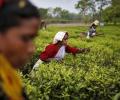
The tea industry, hit by rising costs, falling prices and political unrest in the North Bengal plantations, is especially vulnerable to the COVID-19 lockdown.

'It will take six months to one year to move to normalcy, depending on how the pandemic plays out in India.'

The Centre and state governments are struggling to restart at least some industrial activity as it becomes apparent that the 21-day nationwide lockdown imposed to check the spread of coronavirus disease (Covid-19) could be extended beyond April 14, and stocks of essential commodities need replenishing across the country. State governments, particularly those like Delhi that witnessed an exodus of migrant workers after the lockdown was announced, say there are not enough labourers in the city to work in factories and warehouses.

What will happen to the job placement and summer internship plans of India's management and IIT students? Many campuses are stepping in to help students hang on to their placements, in spite of the lockdown.

A combo pack of ITC-owned Aashirvaad atta and spices including chili, coriander and turmeric powders will be available on Domino's app. The service will be available in Bengaluru first and will then be expanded to Noida, Mumbai, Kolkata, Chennai and Hyderabad.
Rough estimates from plantation companies have pegged production loss in excess of 100 million kg (mkg) across India which is valued at around Rs 2000 crore. Usually, plantation companies in Assam and West Bengal produce around 15 per cent of the total tea during March-April.
Factories are shutting down owing to a shortage of labour and raw materials, and a lack of logistical support amid the ongoing nationwide lockdown against the coronavirus pandemic.
 © 2025 Rediff.com - Investor Information - Advertise with us - Disclaimer - Privacy Policy - Sitemap - Feedback - About us - Terms of use - Grievances